






Cut your capital gains tax.
Bring a Sherpa
Ashley Tison and the OZPros team help investors, CPAs, and developers cut capital gains taxes with Opportunity Zones, from fund setup to ten years of compliance.
Give your gains
"This is the biggest year Opportunity Zones have ever had. Gains deferred under the original program come due December 31st, and OZ 2.0 opens January 1st. If you or your clients sold something this year, the 180-day clock is already running. Get a plan in writing now, so the paperwork is ready before anyone asks for it."
 Ashley Tison, attorney and founder of OZPros
Featured in Forbes, Yahoo Finance, and Nasdaq. Drag to look around.
Who we help
Investors with a gain, the advisors who serve them, and the people building in the zones.
I have gains
A stock sale, a business exit, crypto, real estate. One 15-minute call shows what may qualify and how long you have.
I advise clients
Bring us the OZ work. Your client stays yours. We handle the structure, documentation, and compliance behind the scenes.
I'm building in a zone
Raising OZ capital for a project or business. Captive funds, QOZB structure, safe harbor plans, and investors who show up ready.
Defer the tax. Shrink the tax. Keep the growth
Two questions. Your deadline and a rough federal estimate under OZ 2.0.
How we got this, and adjust the assumptions
*Rough federal estimate for an OZ 2.0 investment, assuming an eligible gain goes into a fund within its 180 days, using long-term capital gains rates up to 23.8%, applied in tiers. The 180 days usually start on the sale date, but some gains, like K-1 and Section 1231 gains, can start later. Your state, timing, and deal change the math. Not tax advice.
What working with us looks like
Four steps, from the day you sell through your ten-year hold.
Invest your capital gain
Formed and set up by OZPros
Owns or runs the project
Where the money goes to work
Everything you need for the climb
Start with a call. Add only what your deal needs.
Strategy and support
The Blueprint
A one-on-one strategy session with Ashley and a written roadmap for your gain.
OZ Ascent
Weekly live Q&A with Ashley and a community working the same questions.
Compliance
Annual mock audit, twice-a-year asset tests, and quarterly check-ins with our team.
Fund setup
Summit
We set up your fund and OZ business for you, with a year of Ascent included.
Safeguard
Most popularSummit plus a year of compliance, for investors who want it all handled.
Apex
Everything in Safeguard, plus monthly bookkeeping for your fund.
More than one way up the mountain
Opportunity Zones are the core. In a Blueprint session, Ashley maps which strategies stack with them for your gain.
Opportunity Zones
Defer the gain, cut it at year 5, and grow free of federal capital gains tax after 10 years.*
Learn moreSolar credits
Solar credits may help with the 2026 deferred-gain bill if a project is placed in service in time.
Learn moreEquipment rental
In the right setup, depreciation from equipment rental can offset gains. Passive loss rules decide what it can offset.
Learn moreAdvanced OZ moves
Captive funds, operating businesses in a zone, valuation discounts, and grandfathering.
Learn more*Federal rules for OZ 2.0 investments. Every strategy depends on your facts, and we work alongside your own tax advisor. Not tax advice.
Built around your gains
Stock sale, business exit, crypto, real estate. Every gain has its own 180-day clock and its own best route into a zone. We start from your numbers, not a product.
Built for the long climb
The benefit isn't a sprint. It's earned over ten years of tests, records, and decisions. We stay on the rope the whole way.
*For OZ 2.0 investments. At year 5 the deferred gain is taxed, with 10% excluded (30% for qualified rural funds). Growth on an investment held 10+ years is excluded from federal capital gains tax. State rules vary. Not tax advice.
Built by people who've done the deals
Ashley Tison is an attorney who structures OZ funds, invests in zones himself, and answers questions live every week. No slides. No pitch. You ask, he answers.
Book a 15-minute callSee the new OZ 2.0 map, state by state
Treasury designated all 6,576 new zones on November 5, 2026. They go live January 1, 2027, for ten years.
By the numbers

Ask Ashley anything, live
Join a free live webinar. Bring your deal, your deadline, or your client's question. Ashley Tison, attorney and founder of OZPros, answers on the record and in plain English.
"You don't have to ask permission from anybody. But you better have a dang good audit trail."
Ashley Tison, live on October 22, 2026Ask the Sherpa
Opportunity Zones, answered right
43 plain answers to the questions investors, CPAs, and advisors ask us most. Short reads and 60-second videos from Ashley Tison, attorney, updated when the rules change.
Opportunity Zone questions
The questions people search most, answered plainly and reviewed by Ashley Tison, attorney.
What is an Opportunity Zone?
An Opportunity Zone is a census tract that a state nominated and the U.S. Treasury certified for special tax treatment. When you reinvest a capital gain into a Qualified Opportunity Fund that invests in one of these tracts, you can defer the tax on that gain, reduce it, and pay no federal capital gains tax on the investment's growth if you hold it at least ten years.
In real estate terms, it's a location where a new building or a substantial renovation can qualify. Check any address on the free Opportunity Zone map, or read the full answer.
Reviewed by Ashley Tison, attorney · Updated November 2026
What is a Qualified Opportunity Fund?
A Qualified Opportunity Fund, or QOF, is a partnership or corporation set up to invest in Opportunity Zones. It must hold at least 90% of its assets in qualified Opportunity Zone property, tested twice a year, and it self-certifies with the IRS on Form 8996.
You can invest in a sponsor's fund or set up your own. Our complete QOF guide walks through every rule.
Reviewed by Ashley Tison, attorney · Updated November 2026
How do Opportunity Zones work?
You sell an asset at a gain. Within 180 days you invest that gain into a Qualified Opportunity Fund. The fund puts the money into a property or business inside an Opportunity Zone. You defer the tax on the original gain, and if you hold the investment for ten years, the growth on it comes out free of federal capital gains tax.
Reviewed by Ashley Tison, attorney · Updated November 2026
What are the tax benefits of investing in an Opportunity Zone?
There are three. You defer the tax on the gain you reinvest. Under OZ 2.0, holding five years reduces the taxable amount of that deferred gain by 10%, or 30% in a qualified rural fund. After a ten-year hold, the appreciation on your OZ investment is free of federal capital gains tax.
More detail: Opportunity Zone tax benefits, explained.
Reviewed by Ashley Tison, attorney · Updated November 2026
How can I avoid capital gains tax when I sell real estate?
You usually can't make it disappear, but you can defer it, shrink it, and keep the growth tax-free. An Opportunity Zone takes just the gain, from almost any sale, within 180 days. A 1031 exchange takes all the proceeds into like-kind property. Depreciation strategies like cost segregation can offset what's left.
See capital gains tax on real estate, 1031 vs Opportunity Zone, and the strategies that work together.
Reviewed by Ashley Tison, attorney · Updated November 2026
What capital gains qualify for an Opportunity Zone?
Most capital gains qualify, short term or long term, as long as the sale was to an unrelated party. That includes stock, a business, real estate, crypto, and collectibles. Gains on a K-1 from a partnership or S corporation can qualify too, with their own timing. Only the gain gets the tax benefit, not your original basis. See which gains qualify.
Reviewed by Ashley Tison, attorney · Updated November 2026
How do I invest in an Opportunity Zone?
Invest the gain into a Qualified Opportunity Fund within 180 days of the sale, elect the deferral on your return, and report the investment each year on Form 8997. You can invest in an existing fund or, for larger gains and your own projects, set up your own. Run the free Gain Check to find your deadline.
Reviewed by Ashley Tison, attorney · Updated November 2026
Can you 1031 exchange into an Opportunity Zone?
Not as the same transaction. A 1031 exchange reinvests all the proceeds into like-kind property. An Opportunity Zone investment only needs the gain, and the gain can come from almost any asset. If a 1031 falls through, that taxable gain can often go into a Qualified Opportunity Fund within 180 days instead. Compare the two.
Reviewed by Ashley Tison, attorney · Updated November 2026
Can I invest in an Opportunity Zone without capital gains?
You can, but only money that comes from an eligible gain gets the Opportunity Zone tax benefits. Other cash is treated as a regular investment, and the fund tracks each piece separately. More on non-gain money.
Reviewed by Ashley Tison, attorney · Updated November 2026
Are Opportunity Zones a good investment?
Only when the deal underneath is a good deal. The tax benefit makes a strong project stronger. It does not rescue a weak one. As Ashley says, sometimes the juice ain't worth the squeeze. See how big a gain makes it worth it and when an Opportunity Zone doesn't make sense.
Reviewed by Ashley Tison, attorney · Updated November 2026
Are Opportunity Zones still in effect in 2026?
Yes. The 2025 tax law made the program permanent. Investments made through 2026 follow the original rules. Starting January 1, 2027, new investments follow OZ 2.0, with a new map of 6,576 zones certified on November 5, 2026.
Reviewed by Ashley Tison, attorney · Updated November 2026
When is my deferred Opportunity Zone gain due?
Gains deferred under the original program are recognized on December 31, 2026 and go on your 2026 tax return, generally due April 15, 2027. The amount is generally the lesser of the deferred gain or the investment's fair market value minus your basis. Your ten-year benefit keeps going. Read what happens on December 31 and ways to lower the bill.
Reviewed by Ashley Tison, attorney · Updated November 2026
My Opportunity Zone did not make the new map. Is my project done?
Not necessarily. Property you already hold can keep qualifying. Under the rules the IRS has said it intends to propose in Notice 2026-40, new property bought after 2026 generally needs a written working capital plan by December 31, 2026, with 10% of the planned capital received and 5% spent or under binding contract. Start with how to grandfather a 1.0 tract.
Reviewed by Ashley Tison, attorney · Updated November 2026
What does OZPros do?
OZPros is an Opportunity Zone education and advisory firm founded by Ashley Tison, attorney, known as the OZ Sherpa. We set up funds, keep them compliant for the full hold, map plans in a Blueprint session, and run free live webinars. We work alongside your CPA. Your own preparer files your return.
Reviewed by Ashley Tison, attorney · Updated November 2026
How do I get started?
Book a free 15-minute call. We look at what you sold, when your 180-day window closes, and whether an Opportunity Zone makes sense for you. If it does, the next step is usually a Blueprint strategy session with Ashley. Not ready to talk? Send us a message.
Reviewed by Ashley Tison, attorney · Updated November 2026
Still have a question? Ask Ashley live or book a 15-minute call.
Latest from Ask the Sherpa
Answers, guides, and live sessions with Ashley as OZ 2.0 takes shape.

What to do before December 31, 2026
The deferred gain coming due, the working capital plan deadline, and year-end fund timing.

Ask Ashley live
New zones, IRS updates, and your questions answered in plain English. Every session is free.

The 2026 Tax Cliff Plan
A short masterclass, the Field Guide, and a tax savings estimate before December 31.

OZ 2.0, the complete guide
What changes on January 1, 2027, and how the new program compares to the original.
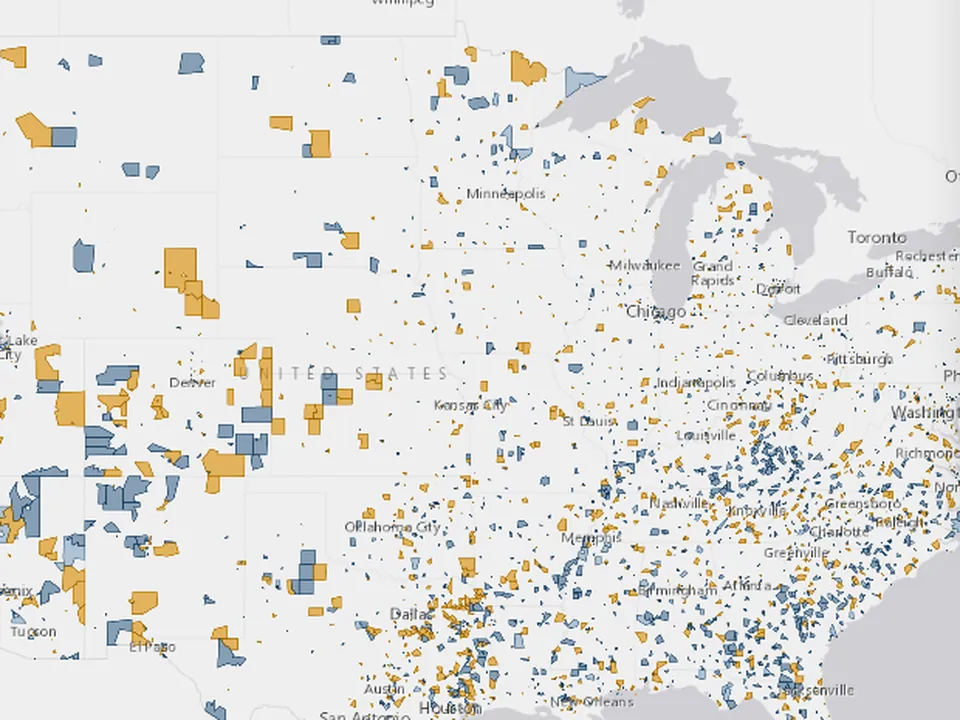
Look up any address on the OZ 2.0 map
All 6,576 new zones, searchable by address.

The 180-day rule, explained
When your clock starts, including K-1, 1231, and installment gains.
Anyone can point at the summit.
A Sherpa climbs with you
You've earned it. Now keep it. Fifteen minutes tells you what your 2026 gains could become.